





New Zealand is home to a variety of bird and animal species, some of them being endemic to the country. Adorned with rocky headlands, cascading waterfalls, idyllic beaches, rivers, lakes, forests and offshore sanctuary islands, New Zealand is a great place to spot colourful birds and interesting wildlife. Read on to know more!
Tiritiri Matangi Island
Translated as ‘Tossed by the Wind’, Tiritiri Matangi Island is one of the most successful and well implemented conservation projects in New Zealand. Lying on the famous Hauraki Gulf Area, this island is home to different forest birds including kokako, rare takahe, North Island robin, stitchbird and saddleback. Apart from the birds, a population of reptiles and mammals like skinks, tuatara and geckos can also be found here. A regular ferry service is available from Auckland and Gulf Harbour to the island.
Orokonui Eco-Sanctuary
Protecting native birds, lizards and fishes behind its 9km pest exclusion fence, Orokonui Eco-Sanctuary is one of the recent additions to the list of sanctuaries in New Zealand. Called ‘Te Korowai o Mihiwaka’ in Maori, this place, located in central Dunedin, is famous for being home to a range of beautiful birds and reptiles including kaka, South Island robin, saddleback, kiwi, geckos, native bats, paradise ducks, pukeko and tuatara. The kiwi crèche located within the complex is a must visit attraction among the visitors. Along with the tours, special programmes, research exhibitions and other activities, you can enjoy sunbathing, swimming and other outdoor adventures on the beaches in the nearby areas.
Sanctuary Mountain Maungatautari
Sanctuary Mountains is among the oldest recognised natural reserves in New Zealand. Situated only 15 minutes drive from downtown Hamilton; it hosts a wide population of birds, mammals, reptiles, fishes and plants. North Island Kaka, fantail, stitchbird, takahe, kakariki, whitehead, North Island robin, North Island Tomtit, Western North Island brown kiwi, parson’s bird and bellbird are few of the winged creatures that can be spotted in the sanctuary. Copper Skink, tuatara, forest gecko and hochstetter’s frog can also be found here.
Rainbow Springs Kiwi Wildlife Park
Nestled amidst the stunning forests of Rotorua, the Rainbow Springs Kiwi Wildlife Park is a beautiful and popular kiwi preservation park in New Zealand. Home to the native kiwi birds, 13 endemic animal and bird species and over 90 native plant species, this place is best to get up and close with these amazing creatures and get your dose of bird watching and wildlife encounters. Kiwi hatchery, kiwi enclosures, free-flight bird show and rides on the big splash are some of the popular attractions enjoyed by people of every age group visiting the park.
Ulva Island
Famed for its beaches, waterfalls, rivers, native forests and wetlands, Ulva Island is another well known attraction in New Zealand. Home to almost all forms of ecosystems, the island is home to a wide variety of birds including South Island saddleback, yellowhead, Stewart Island robin, southern brown kiwi, red-fronted parakeet, bellbird, fantail, grey warbler and rifleman. The endangered yellow-eyed penguin is a unique attraction on the island. Several guided nature walks, excursions and tours are available as per request. Apart from bird watching, you can have a great time at the beaches.
Pukaha Mount Bruce Wildlife Centre
A breeding centre for some of the most threatened birds, Pukaha Mount Bruce Wildlife Centre is a must visit attraction in New Zealand. Located in the north of Masterton, the centre is home to species of kaka, takahe, monster eels, saddlebacks, stitchbirds, kokako, North Island brown kiwis and blue ducks. Guided tours, exclusive behind the scene tours and overnight excursions are quite popular here. For those in love with nature and are willing to contribute towards its protection and preservation, volunteer programmes and donation events are organised.
Kapiti Island Natural Reserve
Located 50km north of Wellington, Kapiti Island remains a must visit in New Zealand for all birding enthusiasts. Featuring several ecosystems together and famed for its rich biodiversity, it is a natural habitat for few of the country’s endangered birds, animals and marine species including stitchbird, kokako, takahe, brown teal, saddleback, black shags, bellbird, brown kiwi, weka, red billed gulls, white fronted tern, reef heron and spotted shags. Overnight kiwi spotting tours, visits to the biosphere reserves, treks and hikes are enjoyed by the guests.
 across different countries. While the age old traditions associated with the festival remain unchanged, a few of the activities and happenings have come a long way since its origin. Read on to know more about how the festival is celebrated across the world.
 some of the staples that are most served in the city, Eggs Benedict, lobster Newberg, cheesecake, corned beef, baked pretzels, hot dogs, burgers, New York style bagel, Gefilte fish, Pasta primavera, Penne alla Vodka, Steak Diane, calzones, cuchifritos and churros can be enjoyed for a local experience.
 thrift shops ideal. Dover Street Market, Barneys New York Downtown, Chelsea Market, Union Square Greenmarket, Columbus Circle Holiday Market, Queens Night Market, The Market NYC and the Grand Central Market are few of the must visit city markets. Weekly flea markets are a major draw to the city.
 Campbell, The Crown, Diamond Lil, Wine Legend, Loverboy, The Office NYC, Oscar Wilde, Fishbone, The Heights, Black Flamingo, Drexler’s and C’mon Everybody are some of the spots to hit in the city.



 of
of  end of the country, the city has an exciting range of tourist delights. Apart from Christ the Redeemer, Sugarloaf Mountain, Copacabana, Ipanema and Santa Teresa are among the must visit attractions in the city.
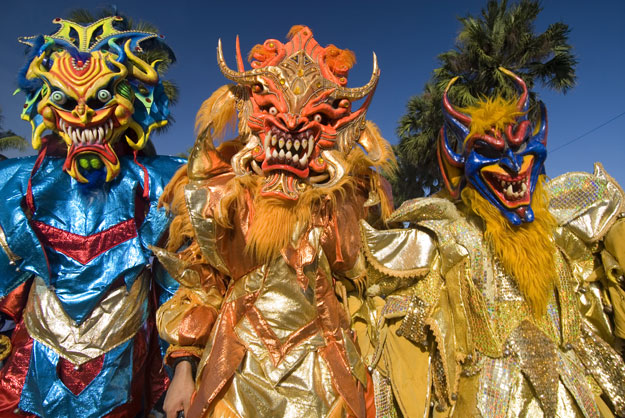 before Lent, this festival is marked by colourful parades, dance performances, musical shows and other interesting and exciting activities. The Samba School Parade, featuring choreographed dancers and musicians, is a major attraction of the festival.
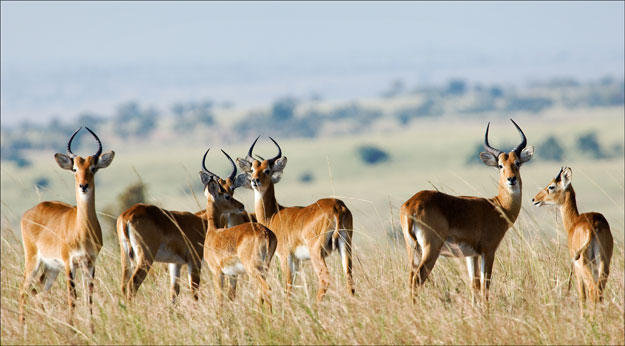 several endangered and endemic species. Protecting these species from extinction are national parks and protected areas in the country.