






The Carnival season in the South American countries starts from late January and stretches to early March, before Lent. The tradition of Carnivals was brought to Latin America by the Spanish Colonists.
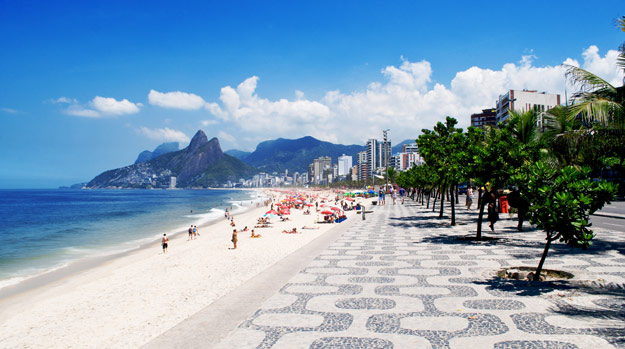
A carnival started as a means to celebrate one’s beliefs as well as a final chance to have a good time before the solemn deprivations and rituals of Lent. While the most famous Carnival in the whole world is the Rio Carnival in Brazil, but if you want to avoid the crowds and want to go to a different carnival destination, consider booking flights for the following Latin American carnivals.
Oruro Carnival
Oruro Carnival can be counted among the best festivals in the whole world. Celebrated with great pomp and show in the Bolivian city of Oruro, it is the largest carnival in the country and has also been recognized as a “Masterpiece of the Oral and Intangible Heritage of Humanity” by UNESCO. The festival continues for 10 days followed by Ash Wednesday, which is marked by the “Dance of the Devils”, locally known as La Diablada. The entrance procession of Oruro on the Saturday before Ash Wednesday is a huge affair with performances by various musicians and dancers that can go on for 20 hours.
El Callao Carnival
Venezuela’s El Callao Carnival is the largest carnival of the country with a blend of different traditions from various countries such as Trinidad, the French Antilles, West Indies, and Venezuela itself. The two signature styles of costumes include the Devils and the Madamas. During the Carnival, the Devils are dressed in black and red costumes along with various scary masks, whereas the Madamas (the woman dancers) wear traditional robes and African headscarves. Nowadays, several other masks such as that of Snow White, Zorro Bane, Darth Vader and Superman are popular, especially among children.
Barranquilla Carnival
Columbia’s Barranquilla Carnival is celebrated for four days and has its origins in Indian, African and European traditions. Like the Oruro Carnival, the Barranquilla Carnival has also been honoured by UNESCO as a “World Masterpiece of the Oral and Intangible Heritage of Humanity.” The dances in the festival have been influenced by Spain, the Americas and the African Congo. The music combines drum ensembles along with various types of wind instruments played by various artistes. The Grand parade is the highlight of the carnival and features a blend of various folk and cultural aspects in the dances which are based on present as well as historical events.