





Category Archives: South America

Popular Wineries in Mendoza – The Wine Province of Argentina

Mendoza Wine Country is a terrific place for wine connoisseurs. There are a number of unique and fine-quality wineries in the region that draw wine enthusiasts from across the globe.

wine

While wine might be the highlight of a holiday experience here, a number of other aspects such as history, architecture, art, and an overall beautiful ambiance do their fine bit to ensure a wholesome experience.

Mendel

Roberto de la Mota, one of the most experienced and respected winemaker of Argentina, is the star of this winery. The amazing vineyards smack of careful selection and the finest attention to details. The 100-year old winery is run by an Argentine family, whose sole aim is to produce the best, superior-quality wine. Anabelle Sielecki, the owner meticulously looked for the best wine-maker in the country and finally chose Roberto de la Mota.

Ruca Malen

Ruca Malen, established in 1999, is a fairly new and innovative winery on the stunning foothills of the Andes Mountains at Mendoza, in Argentina. It was formed as collaboration between Jacques Louis de Montalembert who was born in Burgundy and Jean-Pierre Thibaud, the previous Bodegas Chandon-Argentina CEO. Both of them shared the dream of producing the finest quality wines in Argentina. Sample some of the best wines from the cellar while sitting in the patio of the winery and enjoy stunning and encompassing views of the mountains and vineyards. We also recommend you to go for the 5-course lunch along with wine-tasting.

Domaine St. Diego

Domaine St. Diego is a small garage winery on the country road, situated next to an old church. The winery is perfect for people who like quaint rustic places. The proprietor and winemaker of this winery is associated with Mendocino terroir. Conserving and carrying forward his passion, the winery has changed and revived the ingenuity of viticulture, all around the area. Sample their handcrafted wine along with walnuts, almonds, and homemade breads.
Three Famous Dive Sites in Cozumel, Mexico

Cozumel, situated in the Caribbean Sea, next to the Yucatan Peninsula, has consistently been rated as one of the world’s best dive sites. One of the main reasons is the diligent conservation effort carried out on the reefs.

mexico

This also includes the conservation of 85% of dive sites in the Cozumel Reefs National Marine Park by the Mexican government. If you are a water sports enthusiast, we recommend, you book your flight tickets for this amazing diving paradise; home to beautiful coral reefs and a superb marine population, including various species of multi-coloured fish, nurse sharks, sea turtles and seahorses, to name a few. Have a look at our pick from the top diving sites in Cozumel.

Paradise Reef

The paradise reef in fact, consists of 3 different reefs. The maximum depth is forty-five feet. This makes it one of the most appealing diving sites for new divers who want to learn scuba diving. You will see a whole world inside the clear waters and might encounter fascinating marine creatures such as toadfish, moray eels, octopuses, balloon-shaped corals, yellowtails, angelfish, crabs and lobsters, among other creatures. Paradise Reef is popular as a night diving site which makes the whole experience dreamlike. If you have never tried it before, we recommend, this is the best place to experience your first night dive. A dive master would guide you to some of the best coves and nooks and also keep you safe.

Aerolito de Paraiso

Aerolito de Paraiso or Paradise Crater is one of Cueva Aerolito system’s three cenotes. It is situated about 5 minutes south of Cozumel and is home to a number of exotic and indigenous marine life including lobsters, sea stars and juvenile barracuda. The entrance is through the emerald green lagoon and passageways. So, both cave explorers and open-water divers will have a lot to explore.

Barge Wreck

If you are looking for something different, the Barge Wreck situated in front of the Vista Del Mar Hotel promises a new and unique adventure. The only challenge is that the level may shift from intermediate to advanced due to strong currents that are frequent from the month of November to April. The barge had sunk in 1976 and now looks like a large monolithic sea creature. You will find a large variety of sea creatures including various varieties of grouper. Taking a dive here is brilliant both during the daytime as well as the nights. Remember to carry an underwater camera to click some of the most superb photos.

Exploring Brazil beyond Rio de Janeiro

With world-famous beaches such as Copacabana and Ipanema, and the unique Christ the Redeemer statue, Rio de Janeiro is undoubtedly the most popular tourist destination in Brazil. But that doesn’t mean Rio is the only place worth visiting in Brazil.

rio-de-janerio

There are in fact so many fascinating cities and natural attractions in this South American country that a holidaymaker may end up facing the problem of plenty. Here are five splendid places to go to, if you plan to explore Brazil beyond Rio.

Florianopolis

Florianopolis has as many as 42 beaches to its name, and is definitely a beach-bummer’s haven. Here, you can expect all usual beach activities, ranging from sunbathing and swimming to surfing and scuba diving. A plethora of hotels and resorts offer amenities to suit families, couples and solo travellers alike. Barra da Lagoa, Praia da Joaquina and Praia Brava are among the must-visit beaches in Florianopolis. Praia da Galheta beach is well known as a place for sunbathing in the nude.

Brasilia

While it is likely that many foreigners have not heard of it, Brasilia is the charming capital of Brazil. Listed as a UNESCO World Heritage Site, the city is filled with an amazing mix of modern and historical architecture. Head to the Paranoa Lake to feast your eyes on the panoramic lake and many splendid structures including the world-famous Juscelino Kubitschek Bridge. The Cathedral of Brasilia, Itamaraty Palace, and Supreme Federal Home are famed architectural marvels in the city.

Iguazu Falls

Iguazu Falls, on Brazil-Argentina border, is one of the most impressive waterfalls in the world and is a true magnet for nature-lovers and adrenaline junkies alike. Enjoy splendid views of the falls, especially at the U-shaped Devil’s Throat, from the viewpoints on the Brazilian side. Also trek in the Iguacu National Park to explore the region’s exotic wild beauty. A helicopter ride will let you enjoy aerial views of the falls.

Upper Town, Salvador

If you’re a history buff, the Upper Town in Brazil’s former colonial capital will enthral you no end. The area boasts an awesome collection of colonial buildings, museums, historical churches and monasteries, most of which were built during the colonial era (17th and 18th century) in Brazil. It is now a UNESCO World-heritage site and a must-visit place for culture and history lovers. Some popular attractions in the area include the Museu da Cidade, Palácio Rio Branco, and the church of the Franciscan Third Order.

Top Food and Wine Festivals in South America

Food has always been one of the most crucial and integral part of most celebrations, festivals and day-to-day life in South America. No cultural event or festival can be complete without featuring the local cuisine.

wine-festival

Like many other areas across the globe, the harvest season holds a special importance in South America’s culture and beliefs. If you are planning a visit to any of the South American countries, you will notice that the feasts, festivals and festivities are deeply imbibed in the culture. So, take a look at a handful of such festivals in South America.

Punta del Este Food and Wine Festival, Uruguay

In the popular beach town of Punta del Este, food and wine plays a crucial role in culture and day-to-day lives. Every year, a large number of international and South American chefs come together to be a part of the month-long festival which is held every fall.

wine-festival-2

Prominent chefs host various events every weekend and incorporate the local ingredients in their dishes and pair up with the Uruguayan wines. The festival is not that old, but is becoming one of the major epicurean annual highlights. You don’t need any tickets or invitations to join the famous beach parties.

Mendoza Wine Harvest Festival, Argentina

Gourmets and chefs aren’t surprised about the fact that one of the best festivals related to gastronomy in South America is hosted in Mendoza, Argentina. Mendoza is well known as the wine province of Argentina. The food and wine region hosts Argentina’s annual harvest festival and all the 80 communities get together to celebrate the best of the region and the season.

Mistura, Peru

Peru has always celebrated its rich culinary culture and is slowly emerging as a new force in the global scenario of gastronomy. Nowadays, various globally recognised chefs have been incorporating the Peruvian cuisine and culinary inspiration. Mistura is one of the biggest food festivals held in Lima every September. Thousands of people attend the festival, including actors, celebrity chefs, and musicians. Like Punta del Este Food and Wine Festival, Mistura too is not an old festival.

Most Popular Carnivals in South America apart from Rio

The Carnival season in the South American countries starts from late January and stretches to early March, before Lent. The tradition of Carnivals was brought to Latin America by the Spanish Colonists.

Rio-De-janeiro

A carnival started as a means to celebrate one’s beliefs as well as a final chance to have a good time before the solemn deprivations and rituals of Lent. While the most famous Carnival in the whole world is the Rio Carnival in Brazil, but if you want to avoid the crowds and want to go to a different carnival destination, consider booking flights for the following Latin American carnivals.

Oruro Carnival

Oruro Carnival can be counted among the best festivals in the whole world. Celebrated with great pomp and show in the Bolivian city of Oruro, it is the largest carnival in the country and has also been recognized as a “Masterpiece of the Oral and Intangible Heritage of Humanity” by UNESCO. The festival continues for 10 days followed by Ash Wednesday, which is marked by the “Dance of the Devils”, locally known as La Diablada. The entrance procession of Oruro on the Saturday before Ash Wednesday is a huge affair with performances by various musicians and dancers that can go on for 20 hours.

El Callao Carnival

Venezuela’s El Callao Carnival is the largest carnival of the country with a blend of different traditions from various countries such as Trinidad, the French Antilles, West Indies, and Venezuela itself.  The two signature styles of costumes include the Devils and the Madamas. During the Carnival, the Devils are dressed in black and red costumes along with various scary masks, whereas the Madamas (the woman dancers) wear traditional robes and African headscarves.  Nowadays, several other masks such as that of Snow White, Zorro Bane, Darth Vader and Superman are popular, especially among children.

Barranquilla Carnival

Columbia’s Barranquilla Carnival is celebrated for four days and has its origins in Indian, African and European traditions. Like the Oruro Carnival, the Barranquilla Carnival has also been honoured by UNESCO as a “World Masterpiece of the Oral and Intangible Heritage of Humanity.” The dances in the festival have been influenced by Spain, the Americas and the African Congo. The music combines drum ensembles along with various types of wind instruments played by various artistes. The Grand parade is the highlight of the carnival and features a blend of various folk and cultural aspects in the dances which are based on present as well as historical events.

Holidays in Rio de Janeiro – Three of the Top Things to do in the Brazilian City

Rio de Janeiro, Brazil’s second largest city is a terrific holiday destination. A well-developed urban centre with Atlantic coast on one side and the mountains on the other, Rio provides a fascinating experience to the millions of tourists who visit here annually.

rio-de-janerio

The city is also gearing up for the mega event – Olympic 2016; new hotels and restaurants are mushrooming along the beaches, roads are being broadened, and transport infrastructure is being build up. It surely is an exciting time to be in the city. Here are some of the must-do activities in the Brazilian metropolis.

Marvel At the Enormity of Christ the Redeemer

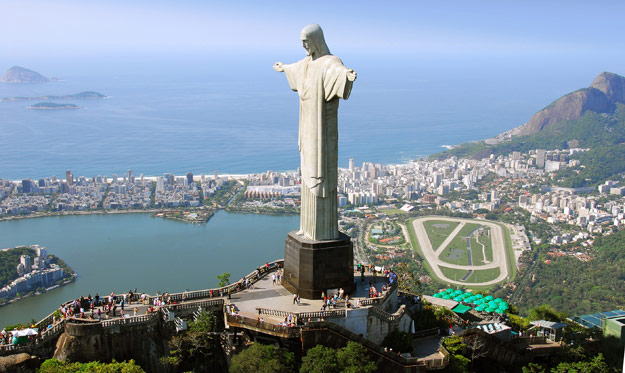
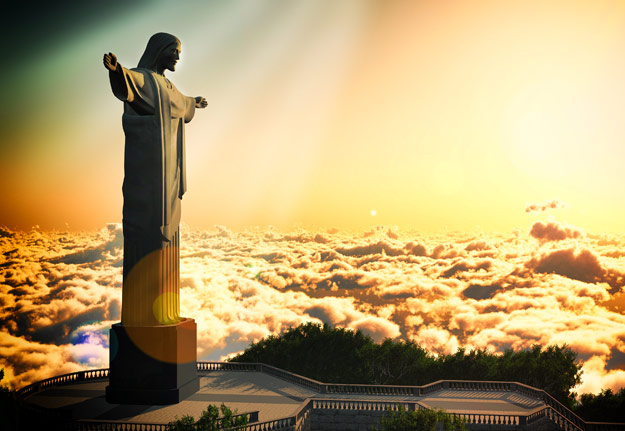
Rio’s famous landmark, the imposing statue of Cristo Redentor is impossible to miss. Take a funicular train to reach the top of the 710 m high Corcovado hill for admiring not just this fascinating (32 meter tall) structure but also the marvellous views of the city. The train passes through the dense Tijuca forest, which brims with scenic vistas.

Enjoy Free Walking Tour of Downtown Rio

A few local agencies offer free walking tours through the cultural centre of the city. The tour usually begins from Carioca square and takes visitors through tiny pathways in the downtown area, known as Centro. Enjoy views of marvellous buildings, explore intriguing street arts or visit some popular tourist attractions such as the Imperial palace and the Selaron steps. The downtown brims with souvenir shops, cosy cafés and lively art galleries, making it a delightful place for one and all.

Visit the Beaches

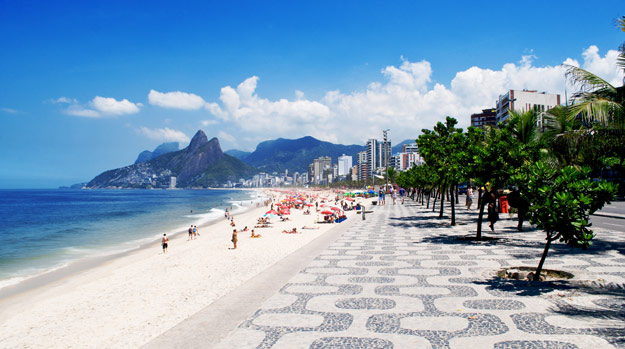
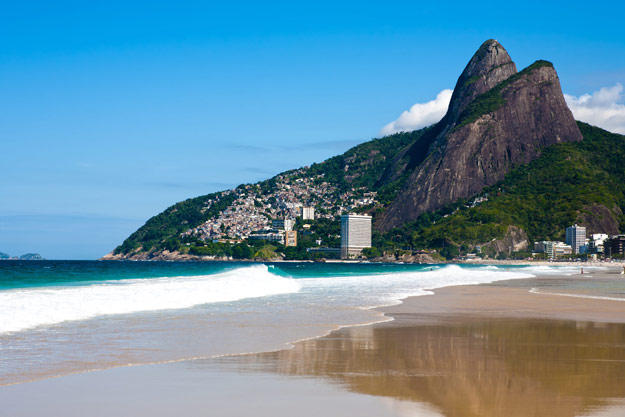
No visit to Rio is complete without the fun and frolic at the legendary Copacabana and Ipanema beaches. With the fascinating blend of sun, sea and sand, these beaches are just fabulous.

beaches

You can see men and women playing games of football and volleyball, or just laying on the sands to soak up the sun. Ipanema is a popular haunt for adrenaline junkies, with a variety of water sports to enjoy. If you’re looking for a tranquil retreat, head to Barra da Tijuca beach. Even in peak season, you might have the entire beach to yourself!

Monterrey: Art and Cultural Hub of Mexico

Monterrey, ‘Sultan of the North’ and Mexico’s third largest city is truly a surprise when it comes to art and culture.

mexico

This modern city is full of cultural offerings with a blend of American and Spanish culture. It is famed for its fine museums and galleries, along with numerous public squares and parks that host a variety of cultural events and festivals.

MARCO: The Museum of Contemporary Art

The stunningly designed MARCO, also known as Museo de Arte Contemporaneo is a must visit place for those curious about the Mexican art. The museum hosts many fascinating exhibitions and boasts an extensive collection of modern art from across the country. It features 11 galleries which includes numerous fine paintings, sculptures and installations from leading Latin American artists. The building itself is a marvellous piece of art with gardens, reflective mirror fountain and fascinating courtyard.

The Museum of Steel

One of the largest museums in Mexico, the Museo del Acero is a must visit when in Monterrey. This fascinating attraction is built within a former steel mill and celebrates the city’s long tradition as a steel manufacturing hub. It is built around the massive 70-metre tall blast furnace and features numerous exhibits dealing with the production of steel. For those curious to know the city’s history, this museum is definitely worth visiting.

Mexican History Museum

Museo de Historia Mexicana boasts an exclusive collection of Pre Columbian artefacts. This hi-tech museum allows visitors to explore Mexico’s rich history by showing them vast collections and interactive displays. The museum is spread across four large halls that exhibit the country’s cultural, economic and political history. The museum also has a man-made river with facilities of boat rides. By way of food, the onsite restaurants dish out pretty good fare.

The Obispado and Regional Museum

Perched high on the hill called Cerro del Obispado, stands the former Bishop’s Palace, Obispado. This splendid old palace is home to the Regional Museum, Museo Regional de Nuevo Leon. The museum’s exhibits largely pertain to the state’s cultural and economic development. It has numerous artefacts from the time of ‘Mexican war of independence’ and also a carousel for kids.

Tips for Attending Rio Carnival 2015, Brazil

Rio Carnival is the largest street party on earth. Hundreds of thousands of people descend upon Rio de Janeiro to celebrate the festival with songs, dances, parades and overall boisterous merrymaking.

rio

The festival is held 40 days before Easter and one of its main highlights is the Sambadrome Parade. There are many free parties and black tie balls for you to take part in if you are looking for a budget holiday. We have come up with some simple but useful tips for revellers.

Organizing flights, carnival tickets and costumes

As Rio is the world’s largest and most famous street celebration, lots of people from all parts of the will be joining in the fun. We recommend you to book your flights well in advance for two reasons. First, you may not be able to get tickets at the last moment; and second, even if seats are available, the price of those tickets will keep increasing as the date of the carnival gets closer. The next important thing is to check for accommodation options for the duration of your stay in the city.  You can either club your hotel reservations along with your flight bookings or you can choose to do them separately. However, it is important to book in advance as the chances of getting a room might be pretty slim at the last moment.

Precautions

You don’t need to be anxious or afraid about losing valuables and money if you take some precautions. Try to keep your camera out of sight as much as possible. Also keep it in a cheap bag to make it seem like a cheap knockoff. In fact, if possible, buy a cheap knockoff for the occasion. Instead of carrying your backpack on your back, put it in front of you and secure it with your passive arm. It is not advisable to wear expensive jewellery in the carnival, so get some cheap plastic or metal beads. Keep your money in secret pockets or –underwear– if possible, to avoid the chance of losing the money while dancing. Also make sure to withdraw some cash well in advance as the banks are closed during the carnival and the ATMs run out of cash.

Choosing the seats and costumes

It is very important to choose your seats during the carnival as getting a seat with an obstructed view may ruin all the fun.  You can get the best views of the Sambadrome Parade from the ground-level seats, known as cadeiras, the terrace seats, known as arquibancadas and box seats known as camarotes. It’s not mandatory to wear a costume but if you want authentic costumes, you may buy the same from the official website of the carnival. Most of the costumes available can be worn by men as well as women. After you’re all set for the carnival, just hit the streets and samba with the revellers. Some people also tend to exchange head gears or breastplates as a sign of goodwill.

Most Popular Annual Events in Buenos Aires, Argentina

From stupendous carnivals to foot-tapping dance festivals, Buenos Aires has a number of festivals and events running throughout the year.

Buenos-Aires-Argentina

If you are planning to book tickets for a holiday in the capital city, remember to check out the delightful events you can witness. Have a look at our picks from the top annual events in Buenos Aires.

Feast of the Epiphany (January)

The Feast of Epiphany, celebrated on the 6th of January, is a post-Christmas celebration which signifies the visit of the biblical “Three Wise Men” who are said to come with gifts for children and leave the gifts inside the left shoe of the kids who have been good, while the bad ones get chunks of coal. For adults, it is a day of feasting and celebrations, where they invite guests for food and drinks.

Carnaval Porteño (February)

Carnaval Porteño is an annual event marked by city parades with music, dance and lots of celebrations. The carnival is not as large as the Rio one, yet it is almost equally enjoyable. During the festival, more than 100 murgas (street bands) entertain bystanders across various neighbourhoods in small gated areas. The flourish of colours and the extravagant costumes worn by the participants, complete with drums and cymbals is quite a spectacle.

Dia de la Independencia (July)

On the 9th of July, Buenos Aires celebrates Dia de la Independencia, a national and public holiday for the Argentineans. On this day, in 1816, the nation attained independence from Spain. Commemorations take place in various places in the city and there are lots of festivals and parades. People visit the cafés in and around Avenida de Mayo for hot chocolate with churros.

Festival Y Mundial de Tango (August)

Festival Y Mundial de Tango is a celebration of the vibrant music and dance culture of Argentina. It is an international event, wherein thousands of people from various countries come to be a part of the festival. Films related to Tango, dance shows, live orchestras and various dance parties are held during this two week affair.  After the conclusion of the event, the world championship is held, which features various art forms, ranging from backstreet bordellos to ballroom performances.

International Buenos Aires Jazz Festival (November)

International Buenos Aires Jazz Festival is one of the most hip ‘n’ happening dance festivals held in Buenos Aires. From classic bebop to Nuevo tango and swing, the six day festival features various artists from across the globe, including top musicians from Argentina. Most of the events are held around La Boca and Centro Cultural Recoleta. You can also enrol for dance classes, workshops and music clinics during the festival.

Top Cities to Enjoy New Year Celebrations in South America

If you want to celebrate the New Year abroad, one of the best destinations would be South America.

new-year

Whether you’re a party animal or looking for a quiet time to reflect, take a look at our pick of three cities that are sure to make your New Year memorable for life.

The World’s Largest New Year’s Party at Rio de Janeiro, Brazil

If you’re a party animal, attending the largest New Year’s Eve party is probably the best way you can celebrate the onset of the New Year.

brazil-rio-de-janerio

Rio de Janeiro is regarded as one of the largest and the most popular New Year holiday destinations in the world. The party is attended by about two million people, including locals as well as overseas visitors.  World renowned musicians book flights from different parts of the world to perform at the events here throughout the night. If you love Samba, this is the best place to flaunt your moves, while you’re waiting for midnight. Remember to book your hotels and tickets in advance as Rio is a highly popular destination.

A Magical New Year in Machu Picchu, Peru

If you are not much of a music buff or party person, but still want to celebrate a memorable New Year, Machu Picchu, in Peru would be a good option for you. In fact, it doesn’t matter if you like parties or not, because there is something or the other for people of all preferences. If you want to celebrate New Year partying, you may want to stay in Cusco, the capital of the Inca Empire. Here you can celebrate the New Year with the locals who come out during New Year and celebrate it as a community. Alternatively, you can also choose a laidback way to celebrate the evening by staying at the surreal Sacred Valley. It has a breathtaking geographical setting in the Andes and offers you beautiful sweeping views of the horizon. The history and architecture of the place date back to the Incas.

A Cultural New Year Experience in Valparaiso, Chile

If you want to avoid the extreme crowds in Rio, you can always book tickets for the beautiful city of Valparaiso. Also known as Chile’s cultural capital, Valparaiso is a historically significant town with various stories associated to it. The city has been an important port since the 1800s and was a stopover for vessels coming in from the Atlantic and going to the Pacific Ocean. The best thing about celebrating New Year in Valparaiso is that the festival goes on for three days and visitors get to witness a magnificent fireworks display; the biggest fireworks affair in the whole of Latin America. To strengthen the magical experience, all the city lights are turned off before midnight. Various performers and musicians arrive at the city to present their shows at the Plaza Sotomayer.